Kidney Failure: A Comprehensive Guide to Causes, Progression, and Modern Treatment
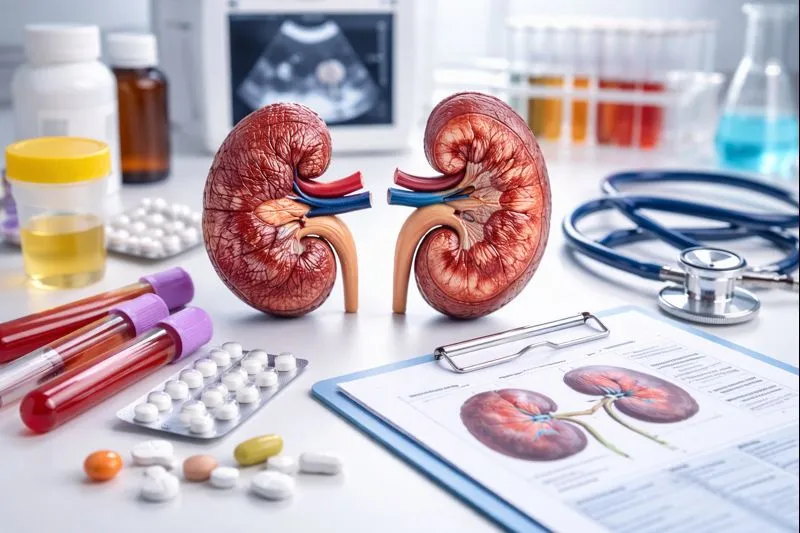
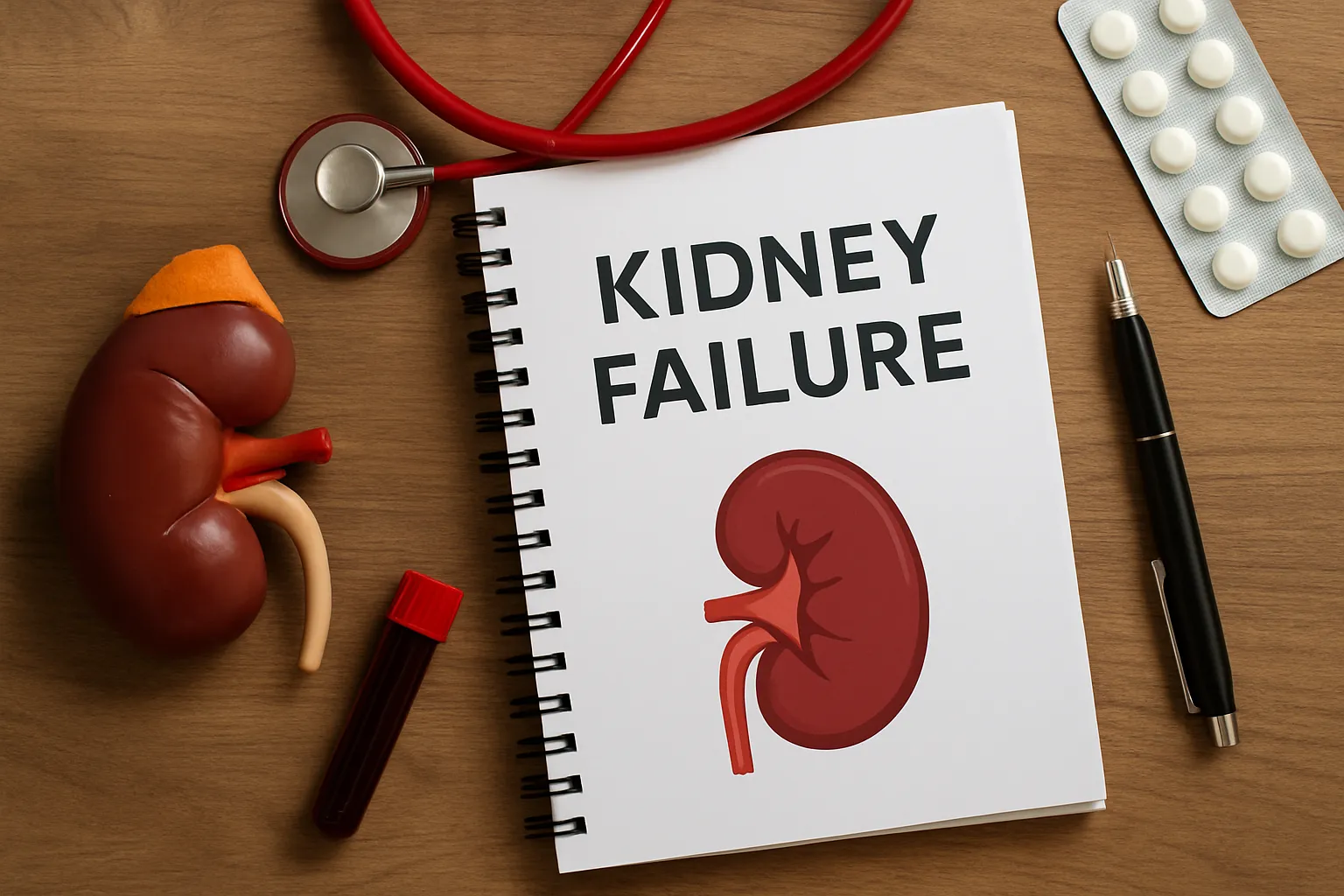
Kidney Failure is a serious and life-threatening medical condition that affects millions of people worldwide. The kidneys play a vital role in filtering waste, balancing fluids, regulating blood pressure, and maintaining overall health. When these organs lose their ability to function properly, harmful toxins accumulate in the body, leading to severe complications. This in-depth article explores Kidney Failure from its earliest warning signs to advanced treatment and long-term management, providing a clear and structured understanding for patients, caregivers, and readers seeking reliable medical knowledge.
Understanding Kidney Failure: Definition and Basic Functions
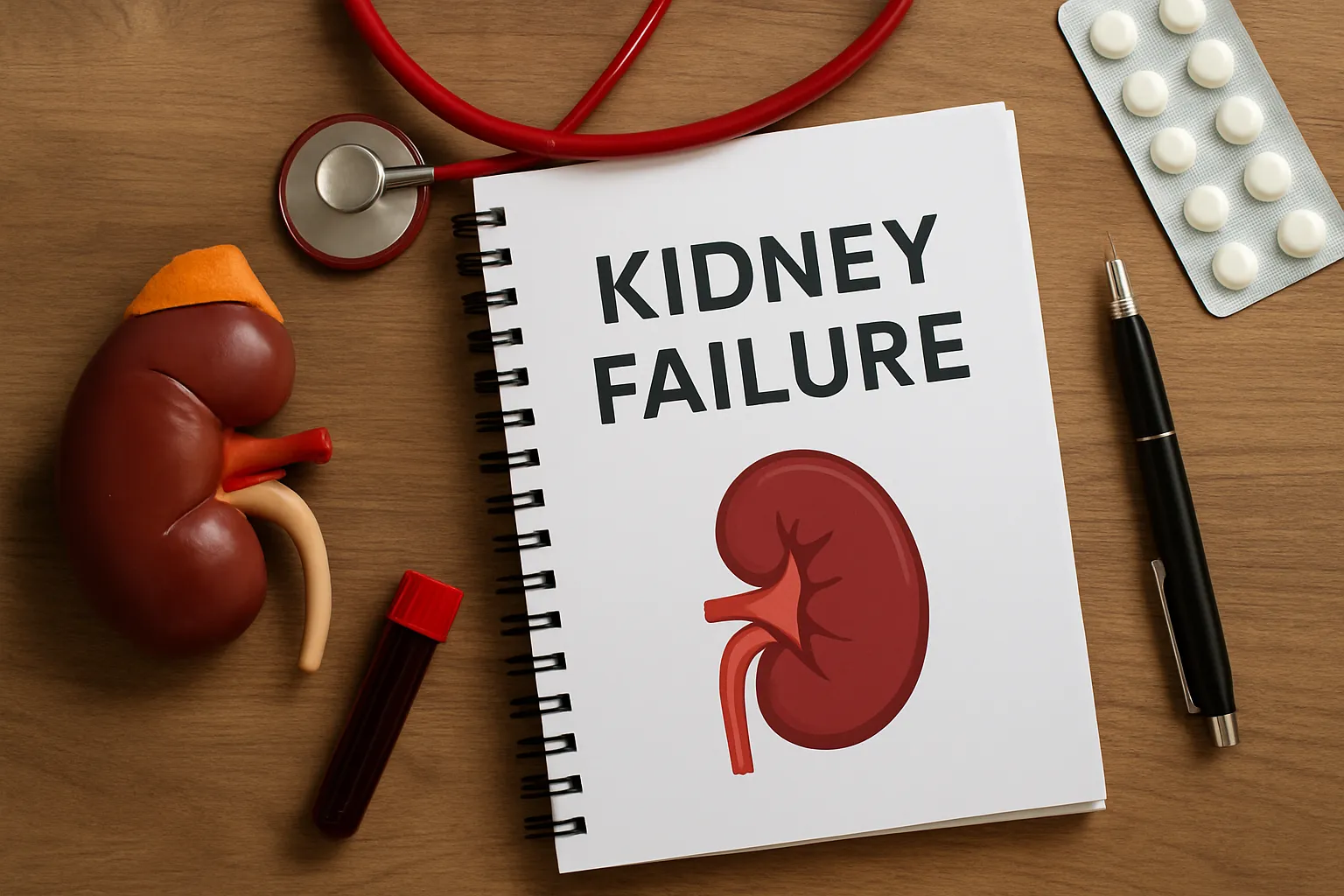
Kidney Failure, also known as renal failure, occurs when one or both kidneys can no longer effectively filter waste products and excess fluids from the blood. Healthy kidneys maintain electrolyte balance, regulate blood pressure, stimulate red blood cell production, and activate vitamin D for bone health.
When Kidney Failure develops, these essential processes are disrupted. Waste products such as urea and creatinine build up in the bloodstream, leading to symptoms that can range from mild fatigue to life-threatening complications.
Key roles of the kidneys include filtering toxins and waste from blood, balancing water and electrolytes, regulating blood pressure, and supporting bone and blood health.
Early Warning Signs and Initial Symptoms
In the early stages, Kidney Failure may progress silently with few noticeable symptoms. Many people remain unaware until significant kidney damage has already occurred, which makes early detection especially challenging.
Subtle symptoms such as persistent fatigue, swelling in the ankles, changes in urination frequency, and difficulty concentrating may appear. Recognizing these early signs is critical for preventing further kidney damage.
Common early symptoms include frequent or reduced urination, swelling in the feet, legs, or face, persistent tiredness, and loss of appetite.
Causes of Kidney Failure Over Time
Kidney Failure often develops gradually due to long-term medical conditions. The most common causes are diabetes and high blood pressure, which slowly damage kidney blood vessels over many years.
Other causes include chronic infections, autoimmune diseases, genetic disorders, prolonged medication use, and repeated episodes of acute kidney injury. Understanding the underlying cause helps guide treatment decisions.
Primary causes include diabetes mellitus, hypertension, glomerulonephritis, and polycystic kidney disease.
Acute Kidney Failure: Sudden Onset and Risks
Acute Kidney Failure develops rapidly, often within hours or days. It may occur due to severe dehydration, blood loss, infection, or exposure to toxins and certain medications.
Although acute kidney failure can be life-threatening, it is sometimes reversible if treated promptly. Immediate medical attention is essential to restore kidney function and prevent permanent damage.
Common triggers include severe infections such as sepsis, sudden drops in blood pressure, and toxic drug exposure.
Chronic Kidney Failure: Long-Term Progression
Chronic Kidney Failure develops slowly over months or years. As kidney function declines, the body gradually adapts, masking symptoms until the disease reaches advanced stages.
Without intervention, chronic kidney disease can progress to end-stage renal disease, where dialysis or kidney transplantation becomes necessary for survival.
The stages range from mild damage in the early phases to complete kidney failure in the final stage.
Diagnostic Tests and Monitoring
Diagnosing Kidney Failure involves a combination of blood tests, urine tests, and imaging studies. Blood creatinine and estimated glomerular filtration rate are key indicators of kidney function.
Regular monitoring helps assess disease progression and treatment effectiveness. Early diagnosis can significantly slow or prevent further kidney damage.
Common diagnostic tools include blood urea nitrogen tests, creatinine measurements, urinalysis, and imaging such as ultrasound or CT scans.
Complications Associated with Kidney Failure
Kidney Failure affects nearly every system in the body. As waste accumulates, patients may experience cardiovascular disease, anemia, bone disorders, and nerve damage.
Fluid overload can lead to high blood pressure, pulmonary edema, and heart failure. Managing these complications is a critical part of kidney failure care.
Major complications include heart disease, electrolyte imbalances, weakened bones, and reduced immune function.
Treatment Options in Early and Mid Stages
In the early stages of Kidney Failure, treatment focuses on managing underlying conditions such as diabetes and hypertension. Medications, dietary changes, and lifestyle modifications can significantly slow disease progression.
Patients are often advised to reduce salt intake, control blood sugar, stay hydrated, and avoid medications that can harm the kidneys.
Non-dialysis management includes blood pressure control, protein-adjusted diets, and careful blood sugar management.
Dialysis: Life-Sustaining Therapy
When Kidney Failure reaches an advanced stage, dialysis becomes necessary to replace lost kidney function. Dialysis removes waste, excess fluids, and toxins from the blood.
There are two main types of dialysis: hemodialysis and peritoneal dialysis. Each method has its own advantages, and the choice depends on medical needs and lifestyle preferences.
Hemodialysis filters blood through a machine, while peritoneal dialysis uses the abdominal lining as a natural filter.
Kidney Transplantation and Long-Term Outlook
A kidney transplant offers the closest alternative to natural kidney function for patients with end-stage Kidney Failure. Transplants can significantly improve quality of life and long-term survival.
However, transplantation requires lifelong use of immunosuppressive medications and careful medical follow-up. Not all patients are eligible, which makes prevention and early treatment especially important.
Benefits of transplantation include improved energy levels, greater dietary flexibility, and better long-term survival outcomes.
Conclusion
Kidney Failure is a complex and progressive condition that demands early awareness, timely diagnosis, and comprehensive management. From subtle early symptoms to advanced treatment options such as dialysis and kidney transplantation, understanding each stage empowers patients and caregivers to make informed health decisions. By prioritizing prevention, managing risk factors, and embracing medical advancements, the impact of Kidney Failure can be reduced, improving both longevity and quality of life for people around the world.